America once crossed an ocean to help save Korea. Now a Korean-American manufacturer crosses back — to help rebuild the American industry that gave that generation its uniforms. Same audacity, reversed direction.
American Spinning Works is led by an operator who already makes clothes in America — One Textile / Fashion Color, a Los Angeles apparel manufacturer running domestic knitting, dyeing, finishing, and supply-chain work. The one missing link is spinning. Bringing it home isn't nostalgia; it's the last piece of a loop that already exists.
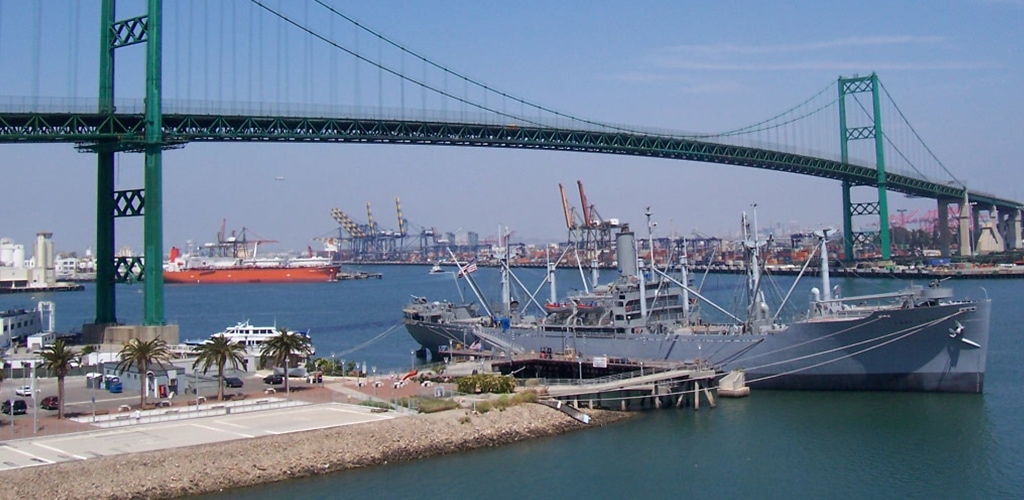
Inchon was won by logistics — supply lines and value that cross oceans. The Lane Victory is that argument with a hull.
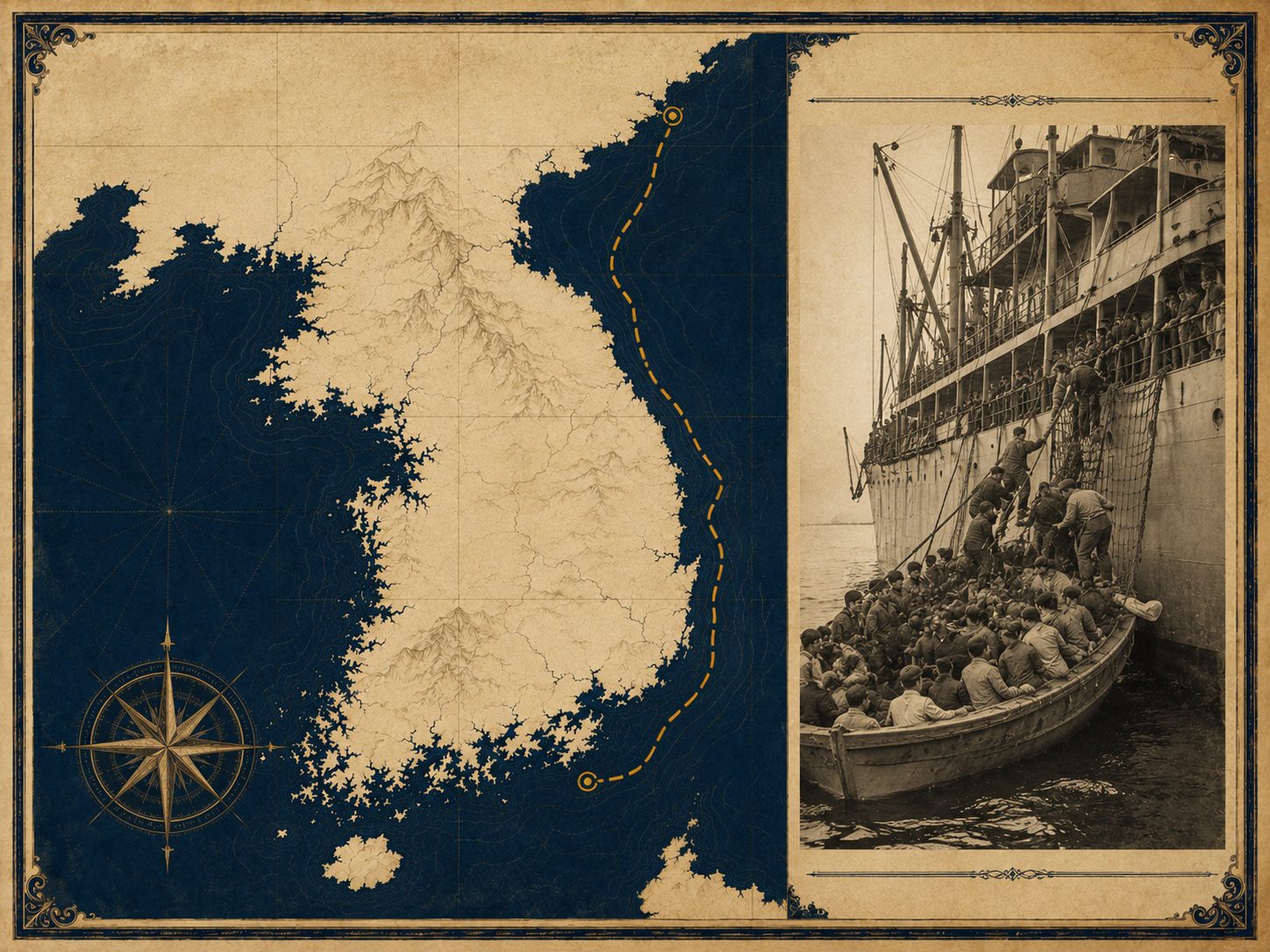
In December 1950 she ran the Hungnam evacuation under fire, carrying 7,010 Korean civilians to safety. A baby was born aboard — 7,011 walked off. She crossed the Pacific and now rests on American soil: the bridge between the two shores.
America lands behind the lines and turns the war — a victory of logistics and nerve.
The SS Lane Victory carries 7,011 civilians to safety in one of history's great sea rescues.
America offshores its spinning capacity — the mills, the machines, the know-how — and begins exporting its finest fiber raw.
Farm bankruptcies climb, input costs rise, and ~87% of U.S. cotton still ships out unspun — while Yuma carries double-digit unemployment.
The return landing: a domestic ring-spinning hub in Yuma, Arizona — the missing link, brought home.
The freedom this generation inherited was carried across an ocean at real cost. We don't forget the ships or the people on them.
Gratitude that doesn't act is just sentiment. Rebuilding an American industry is how we say thank you with our hands.
Grown here, spun here, worn here — a full American loop, rebuilt one spindle at a time.
Investors, partners, farmers, and patriots — the story only moves if we build it together.